Invest in Your Innovators: AI Adoption Won't Be Even, and It Won't Be Who You Expect
Hotel teams assume their top performers will adopt AI fastest. They don't. Adoption is bimodal and often surprising — here's why, and how to invest in the people already building their own tools.

Every hotel leadership team assumes the same thing when they roll out AI: the strongest performers will pick it up fastest. It makes intuitive sense. Your best revenue manager, your sharpest GM, your most polished sales director. Surely they’ll be the ones who run with it.
That’s not what we’ve seen. Not even close.
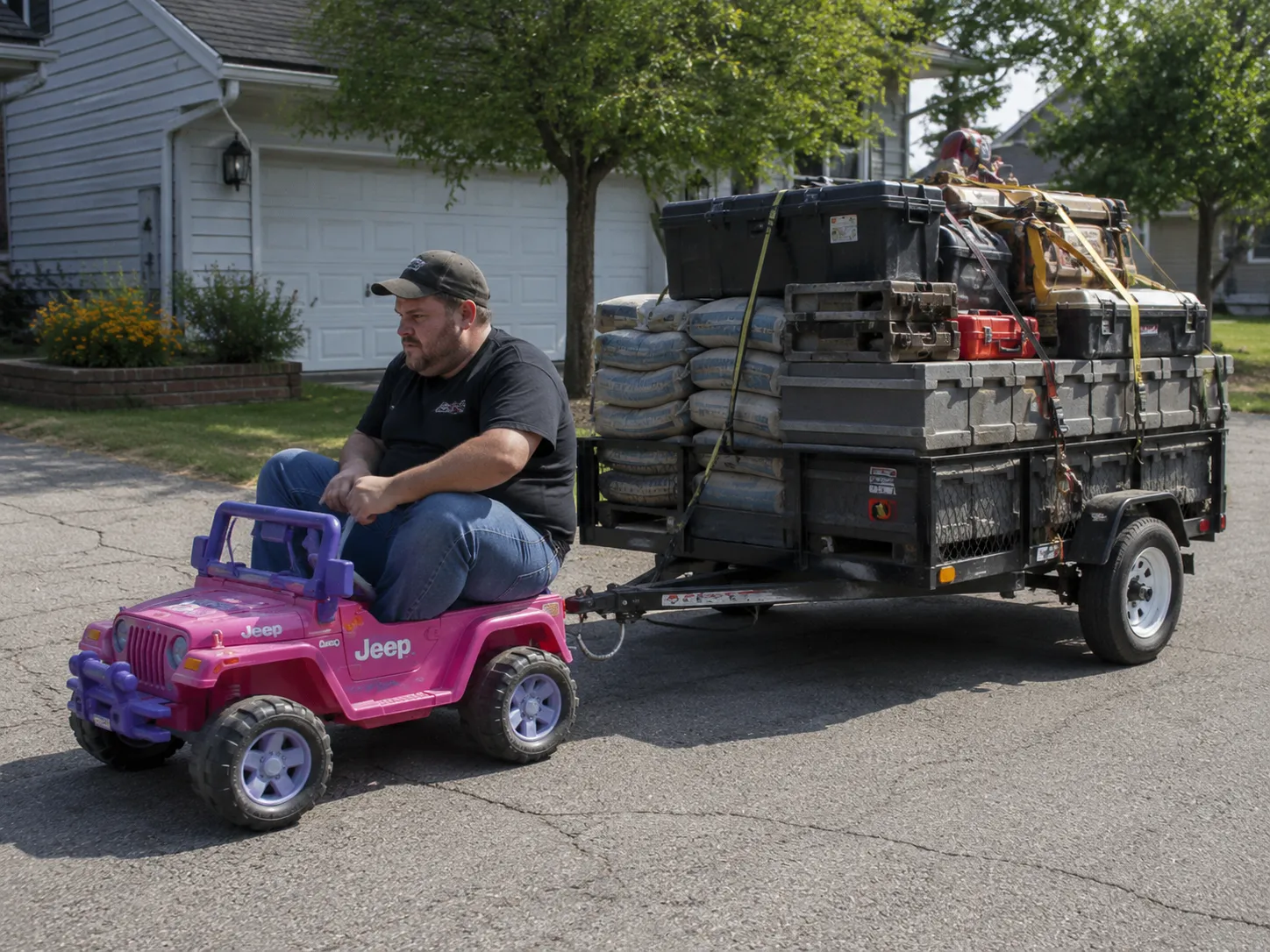
It isn’t sharpening the axe. It’s inventing the axe.
Doing a job well and building your own tools to do that job better are two different skills, and they don’t always live in the same person. Someone who’s excellent at reading a group booking and structuring the right rate isn’t automatically excellent at building a prompt workflow that pulls comp-set data, checks it against three years of history, and flags the outliers before their morning coffee. That’s not sharpening a tool they already have. That’s inventing a tool that didn’t exist for their role before.
AI hands every employee the ability to build their own toolset. Most people have never had to do that before. Their whole career, the tools showed up already built: the PMS, the POS, the spreadsheet template someone handed down. Now the tool can be shaped by the person using it, and that requires a different instinct than being good at the underlying job. Some of your highest performers won’t have that instinct. Some of your quieter, less obviously exceptional employees will have it in spades.
This is showing up broadly, not just in hospitality. IBM’s 2026 CEO study found a striking gap: 85% of employees have access to AI tools, but only about a quarter use them regularly. The people actually building things with it are a distinct, and often surprising, subset.
The value gap is real, and it compounds
Here’s the uncomfortable part for anyone managing labor costs and performance reviews. Industry research in 2026 has repeatedly pointed to a bimodal outcome: a small group of intensive AI users capturing most of the productivity gains, while the majority capture almost none. Some leadership surveys put the productivity difference between power users and everyone else at multiple times over, and a large share of executives say they’re already treating AI-fluent employees as a distinct tier worth investing in differently.
We’ve seen this firsthand. An employee who’s built even a modest AI-assisted workflow gets more accurate work out the door, because they’re feeding themselves better information before they act. Follow-ups happen faster, with less friction, because the drafting and research that used to eat half a day now takes minutes. And past a certain point, these employees start finding ways to make the operation more efficient that nobody asked them to look for, because the tooling gave them room to notice.
That means the value of an hour of labor from someone who’s genuinely adopted AI can be meaningfully higher than the value of an hour from someone who hasn’t, in the same role, with the same experience. That’s a new kind of gap for most hospitality leaders to manage, and it’s one that will only widen if it’s left alone.
An hour from someone who’s genuinely adopted AI is worth meaningfully more than an hour from someone who hasn’t — same role, same experience.
What this looks like on property
At a hotel, this rarely shows up where you’d predict. It might be a night auditor who gets curious and builds a simple tool that reconciles the day’s exceptions before the morning team even walks in. It might be a sales coordinator, not the sales director, who figures out how to draft and personalize outreach at a volume nobody thought was possible with the team’s headcount. It’s rarely the person whose performance review already says “exceeds expectations,” because that person has usually built their success around being good at the job as it currently exists, not around reinventing how the job gets done.
How to invest in the people willing to experiment
Run show-and-tells, not trainings. The most effective format we’ve seen is casual and peer-led: someone pulls up their screen for five minutes and shows the room what they built. No slides, no pressure, just “here’s the thing I made and here’s the time it saved me.” Encouragement from peers does more here than a mandate from leadership ever will.
Train on real use cases, not the tool itself. Generic “here’s how AI works” training tends to produce polite nodding and not much else. People need to see their own job, or something close to it, actually accelerated. Without that, AI risks becoming just another meeting attendee: present, technically included, contributing nothing.
Don’t cap the ceiling. Adoption isn’t a checkbox where everyone eventually lands in the same place. The maximum someone can do with AI in a given role can be miles beyond what was previously possible in that role. Once you see someone genuinely taking off, the job isn’t to bring them back to the group average. It’s to keep sending fuel their way: more access, more autonomy, more room to build.
Recognize it publicly. People repeat what gets noticed. If the employees building real tools aren’t visibly rewarded for it, in review conversations, in project assignments, in plain credit given out loud, the rest of the team reasonably concludes it wasn’t actually a priority.
The hiring question nobody has a full answer to yet
It’s genuinely hard to predict exactly how AI will reshape who gets hired, promoted, or let go over the next few years, and there’s real anxiety about it across the industry. But one thing already looks clear: the employees who fully adopt these tools will be worth substantially more to your organization than those who don’t, regardless of where they started. The real challenge for hospitality leaders isn’t spotting that gap. It’s building the culture, training, and incentives that get more of your team on the right side of it, starting with the people who are already raising their hand.